


Open concept living has reshaped how many Dallas homes function. Large sliding doors connect kitchens to patios. Outdoor kitchens sit just steps away from indoor prep spaces. Because of this flow, many homeowners ask the same question: Can I use the same quartzite slab for both my indoor kitchen and my outdoor area?
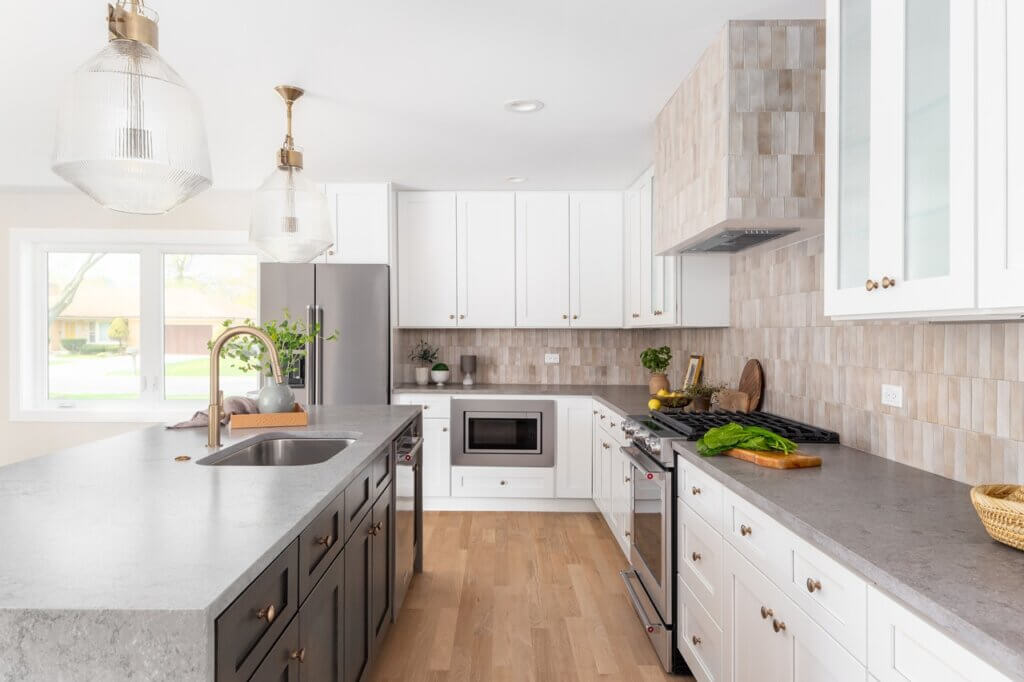
The idea makes sense. Using one quartzite slab creates visual continuity. It can make the space feel larger and more connected. Still, before committing to that decision, Dallas homeowners should slow down and think through several important factors.
Quartzite works well in many environments, but indoor and outdoor spaces do not behave the same. Let’s walk through what you should consider before using one quartzite slab in both areas.
Dallas Weather Is Not Gentle
Dallas weather shifts fast. Summers bring intense heat and direct sunlight. Storms roll through with heavy rain. Winters may include freezing temperatures. Your indoor kitchen lives in climate control. Your outdoor space does not.
Quartzite handles heat better than many surfaces, but outdoor exposure introduces new stress. Direct sun can alter how color appears throughout the day. Rain can impact surface maintenance. Freeze and thaw cycles may affect certain installation details.
Before choosing one slab for both areas, ask yourself whether the outdoor environment will change how the stone behaves over time.
Sunlight Changes Color Perception
Strong Texas sunlight transforms color. A slab that looks creamy and balanced indoors may appear brighter or cooler outside. Darker quartzite may heat up more in direct sun and feel different under your hand.
Homeowners often choose a slab inside under controlled lighting. Once installed outdoors, that same stone may look completely different. It helps to step outside with the slab sample or view it near natural light before committing.
Finish Matters More Outdoors
Polished quartzite reflects light. Indoors, that shine can look elegant. Outdoors, reflection may become harsh under bright sun. A honed or leathered finish often feels softer outside. It reduces glare and provides a more natural appearance in outdoor kitchens.
If you plan to use one slab in both areas, think about finish consistency. You may prefer the same finish everywhere, but outdoor conditions sometimes require adjustments.
Surface Temperature in Outdoor Areas
Quartzite tolerates heat from cooking and hot pans. That strength makes it appealing for outdoor kitchens. Still, surface temperature in full Dallas sun can rise significantly. Darker slabs absorb more heat. Light slabs reflect more.
If guests lean on an outdoor island during summer gatherings, comfort matters. Consider how color choice impacts surface temperature outside.
Layout Differences Between Indoor and Outdoor Kitchens
Indoor kitchens often include large islands, deep countertops, and integrated appliances. Outdoor kitchens may include grill cutouts, bar tops, or narrower counter runs. One slab may need to accommodate different cut patterns. Vein direction that works beautifully inside may not translate the same way outside.
Think about how the slab will be divided and whether the visual flow remains intentional in both spaces.
Maintenance Expectations
Indoor quartzite sees daily cleaning and protection from the elements. Outdoor quartzite faces pollen, rain, dust, and debris. Using one slab in both areas means accepting different maintenance routines. You may need to clean outdoor surfaces more often or protect them during extreme weather.
Consider whether you feel comfortable with those differences before choosing one stone for everything.
Structural Support Differences
Outdoor kitchens sometimes require different structural support due to exposure and environmental factors. Quartzite slabs must rest on stable, properly supported bases. Even if the same slab type works in both areas, installation requirements may vary. Planning ahead ensures long term performance.
Visual Continuity Versus Visual Contrast
Using one quartzite slab indoors and outdoors creates seamless flow. That design choice works well in many Dallas homes with large glass doors and open transitions. Still, contrast can also be beautiful. Some homeowners prefer a lighter quartzite inside and a slightly darker or textured option outside to anchor the outdoor space.
Before locking into one slab, ask whether continuity or contrast fits your home better.
Outdoor Lighting Conditions
Indoor lighting stays predictable. Outdoor lighting shifts constantly throughout the day. Morning sun hits differently than afternoon sun. Evening patio lighting changes how the stone appears.
View the slab under various light conditions if possible. A subtle quartzite often handles these transitions better than a highly dramatic one.
Scale and Visibility
Indoor countertops usually sit within cabinetry and walls. Outdoor counters often sit in open air, fully exposed from multiple angles. That difference changes how movement in the slab appears. Dramatic veins may look balanced indoors but feel exaggerated outdoors.
Subtle quartzite slabs tend to transition between environments more easily.
Entertaining Style in Dallas Homes
Dallas homeowners love hosting. Indoor and outdoor spaces often work together during gatherings. If guests move freely between both areas, consistent quartzite can create a unified look. Food and drink presentation may flow smoothly across surfaces.
Choosing one slab for both spaces makes sense if you prioritize that cohesion. Just ensure the slab performs well in both conditions.
Long Term Design Flexibility
Outdoor spaces evolve. Furniture changes. Landscaping grows. Grill setups upgrade. If you use one quartzite slab everywhere, you commit to that stone as the anchor for both indoor and outdoor designs.
Subtle quartzite offers more flexibility as surrounding elements shift over time.
Viewing Full Slabs Before Deciding
Small samples rarely tell the full story. When using one slab in multiple environments, viewing the full piece matters even more. Look at how movement spreads across large surfaces. Imagine how sections will divide between indoor and outdoor areas.
The more information you gather up front, the fewer surprises you face later. Using one quartzite slab for both kitchen and outdoor areas in Dallas can create a beautiful, connected design. The idea works well when planned carefully.
Still, indoor and outdoor environments behave differently. Sun exposure, temperature shifts, lighting changes, and maintenance expectations all influence how the stone performs and looks.
Take time to consider finish, color tone, vein direction, and layout. Subtle quartzite often transitions more gracefully between environments, while highly dramatic slabs require extra planning.
The right choice supports both your daily routine and your outdoor gatherings for years to come.
FAQs About Quartzite Slabs in Dallas, TX
Can I use the same quartzite slab indoors and outdoors in Dallas?
Yes, but you should consider sunlight, heat, and maintenance differences before deciding.
Does Dallas sun exposure change quartzite color?
Strong sunlight can alter how color and veining appear throughout the day.
Is polished quartzite good for outdoor kitchens?
It works, but glare may increase under direct sunlight. Many homeowners prefer softer finishes outside.
Does one slab create better design flow between indoor and outdoor spaces?
Using the same slab can create continuity, especially in open concept homes.
Are subtle quartzite slabs better for dual indoor and outdoor use?
Subtle patterns often transition more smoothly between different lighting and environments.
If you are planning to connect your indoor kitchen and outdoor living space in Dallas, TX, visit Verona Marble to view full quartzite slabs in person. Seeing the entire slab helps you decide if one stone works beautifully in both environments. Call us at (214) 381-8405 to plan your visit.


