


Quartz countertops are loved for their clean, polished look, but what truly makes them stunning is how seamlessly they come together. The joints between slabs, when done correctly, can be nearly invisible. For homeowners visiting Verona Marble showrooms in Dallas, Fort Worth, The Colony, Tulsa, Oklahoma City, and Lowell, understanding how fabricators achieve that flawless finish can help you appreciate what goes into creating your dream countertop.
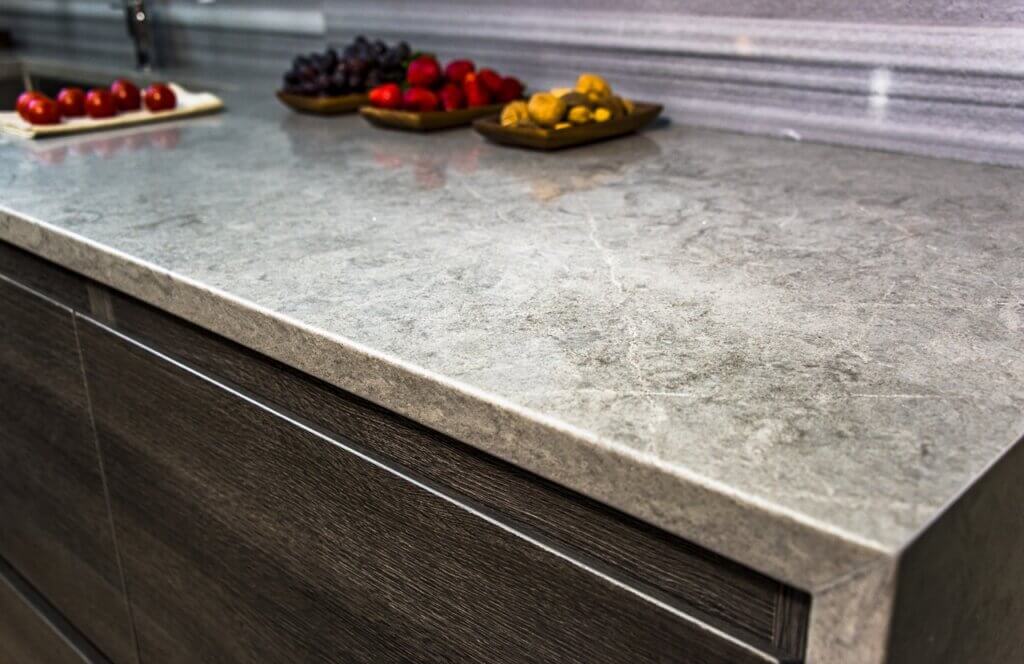
While Verona Marble doesn’t handle fabrication or installation, their premium quartz slabs are crafted for easy coordination with your chosen fabricator. Here’s how the professionals ensure your quartz countertops look like one continuous surface.
Why Quartz Seams Matter
Even the largest quartz slabs have size limits, which means most kitchen designs require at least one seam where two pieces meet. These seams are necessary for handling, transportation, and design layouts. A high-quality seam isn’t just about appearance, it ensures long-term strength and stability.
Fabricators know that a perfect join should be tight, level, and color-matched so it disappears into the design. Homeowners across Dallas and Fort Worth often look for that “one-piece look,” and it’s entirely achievable with proper planning and expert craftsmanship.
Precision Starts in the Showroom
The journey to seamless quartz begins when you choose your slab. At Verona Marble showrooms in The Colony, OKC, Tulsa, or Lowell, you can view full slabs to see veining, tone, and pattern direction in person. When you pick a slab, your fabricator uses that selection to plan how each section will be cut and joined.
Matching patterns across seams is one of the most technical parts of fabrication. For example, if you fall in love with a quartz design featuring strong veining, your fabricator will align those lines so they flow naturally across the join.
Digital Templating for Perfect Alignment
Once your slab is selected, your fabricator creates a digital template of your countertop layout. This technology allows them to plan exactly where seams will go, accounting for cabinets, sinks, and cooktops.
In Tulsa or Oklahoma City, many homeowners with open-concept kitchens choose waterfall islands or large peninsulas. Fabricators use software to map each piece digitally before cutting to ensure vein continuity and symmetry, the keys to making seams nearly disappear.
Achieving Seamless Joins Through Edge Preparation
The edges of quartz slabs must be perfectly square before joining. Fabricators polish and fine-tune edges using specialized equipment to make sure they fit together without gaps or unevenness.
In Dallas and Fort Worth, where modern and transitional kitchens are popular, fabricators often use mitered edges, cutting slabs at a 45-degree angle so two pieces meet seamlessly at the corners. This approach gives islands or waterfall edges the illusion of a solid block of stone.
Color-Matched Epoxy and Seam Adhesive
The magic behind an invisible join comes down to color. Fabricators use tinted epoxies that match your quartz color and pattern. Once the slabs are joined, they clean and polish the seam, blending it perfectly with the surface.
Quartz manufacturers provide color kits with several shades, allowing fabricators to mix the perfect tone for your project. Whether it’s a bright white quartz used in a Lowell farmhouse kitchen or a veined gray quartz in a The Colony contemporary space, the right color blend makes all the difference.
The Role of Seam Placement
A great seam isn’t just how it looks but where it’s placed. Professional fabricators consider visibility, lighting, and traffic patterns when deciding where joints should go. Ideally, seams are located in less noticeable areas, along the back wall, near a sink, or where a countertop changes direction.
For homes in Oklahoma City or Tulsa, where many kitchens feature center islands, fabricators plan seam placement carefully to avoid interrupting the flow of the design.
Heat and Pressure Bonding
During installation, fabricators use vacuum clamps to hold the slabs tightly together while the adhesive cures. This process ensures the joint is flat and structurally strong. Once set, seams are smoothed and buffed to match the rest of the surface.
These methods are what allow quartz countertops to look continuous, even across long spans or angled surfaces. When properly done, you should barely be able to feel the join.
Why Seamless Quartz Is Worth It
A seamless quartz installation enhances not only aesthetics but also hygiene and maintenance. Fewer seams mean fewer places for debris or moisture to collect. Homeowners in Dallas, Fort Worth, and The Colony often choose quartz for its ability to stay beautiful with minimal upkeep.
The non-porous surface and tight seams make cleaning simple, just a quick wipe-down with a soft cloth and mild cleaner keeps the surface spotless.
Collaborating with Your Fabricator
When visiting a Verona Marble showroom in Tulsa, Oklahoma City, or Lowell, homeowners can explore quartz options and then share those choices with their fabricator. This collaboration ensures the slab you select is fabricated to perfection.
It’s helpful to bring your kitchen layout and any design references. The Verona Marble team can guide you through quartz options suited to your style, while your fabricator handles the cutting, joining, and installation for that flawless finish.
Long-Term Care for Quartz Seams
Once your countertops are installed, maintaining the joints is easy. Quartz requires no sealing, and seams stay tight over time if cared for properly. Avoid placing excessive weight directly on seam areas and use trivets for hot pans. With regular cleaning and mindful use, your quartz countertops will maintain their seamless look for decades.
FAQs About Seamless Quartz Countertops
1. Why do quartz countertops need seams at all?
Quartz slabs have size limitations. Seams allow fabricators to create larger layouts safely and ensure easy transport and installation.
2. Can seams be completely invisible?
While no seam is 100% invisible, expert fabrication and color-matched epoxy can make them nearly undetectable.
3. How do fabricators match veining across a seam?
They use digital templating to align patterns before cutting. This creates the appearance of continuous veining across joined pieces.
4. Are seams more visible on darker quartz colors?
Darker quartz can make seams slightly more noticeable, but professional blending and polishing minimize the difference.
5. How can I preview seam placement before installation?
Ask your fabricator for a digital layout or seam plan. This preview helps you visualize the final result before fabrication begins.
For homeowners in Dallas, Fort Worth, The Colony, Tulsa, Oklahoma City, and Lowell, AR, Verona Marble offers premium quartz slabs that pair beautifully with your fabricator’s craftsmanship. Visit our showroom to explore materials that make seamless joins possible. Call us today at (214) 381-8405 to get started.


