


Choosing quartz countertops that perfectly coordinate with your flooring and cabinets can transform a kitchen or bathroom from basic to beautiful. Quartz is a versatile material, durable, low-maintenance, and available in a wide range of colors and patterns. But finding the right balance between your countertop, floor, and cabinetry can feel tricky without the right guidance. Whether you’re visiting a Verona Marble showroom in Dallas, Fort Worth, The Colony, Tulsa, Oklahoma City, or Lowell, understanding how to visualize and pair your selections can make all the difference.
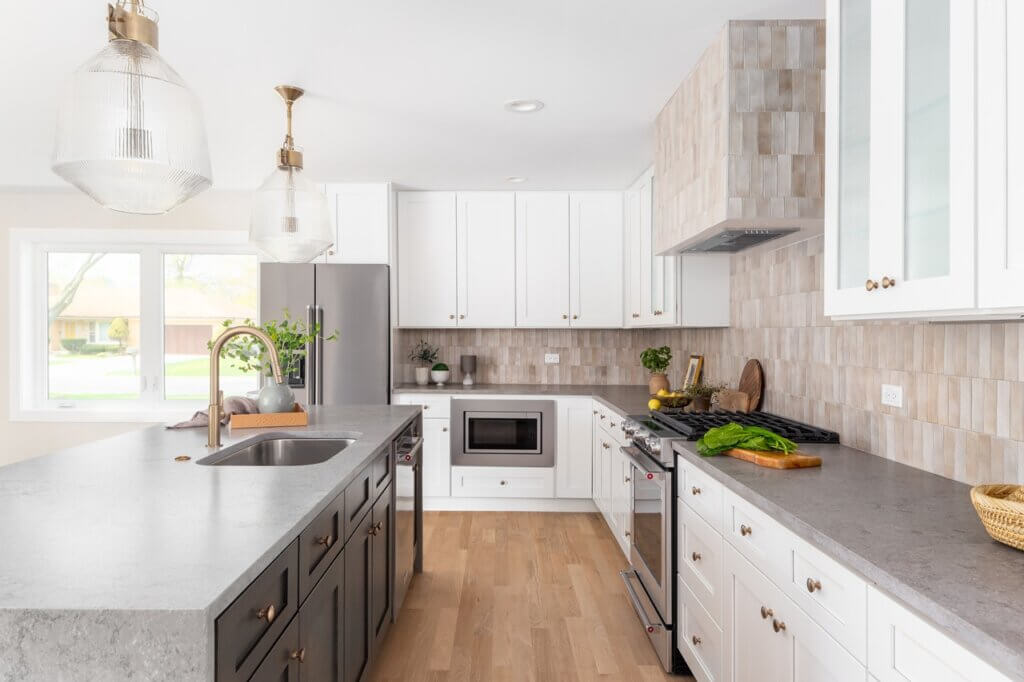
Start with a Design Vision
Before diving into samples or finishes, take a step back and define the style you want. Do you prefer modern minimalism, a warm farmhouse feel, or something timeless and classic? Quartz offers everything from solid white slabs with subtle veining to bold patterns that mimic marble or granite.
If your flooring is dark oak or a textured tile, a lighter quartz countertop will balance the room’s tone. For modern kitchens in Dallas, TX, white or pale gray quartz with clean veining pairs beautifully with sleek cabinetry. In contrast, homeowners in Fort Worth, TX, who favor a cozy, rustic feel might lean toward warmer quartz tones with beige or gold undertones.
Match Undertones, Not Just Colors
Matching isn’t about choosing the same color, it’s about aligning undertones. Every material in your home has a temperature: warm, cool, or neutral. Mixing these tones without harmony can make a space feel disconnected.
For instance, cool gray quartz with blue veining complements white or gray cabinets with a similar undertone. But if your flooring in The Colony, TX features honey or walnut shades, you’ll want quartz with subtle beige or taupe movement to maintain warmth throughout the space. Always compare samples side by side under your actual lighting, both natural and artificial, to see how undertones react.
Consider Pattern and Texture Balance
When you visit a Verona Marble showroom in Tulsa, OK or Oklahoma City, OK, you’ll notice quartz slabs come in a range of patterns, some with soft, marble-like veining and others with dramatic movement. The rule of thumb: if your flooring or cabinetry already has a bold texture, choose a quieter quartz design to keep visual balance.
For example, if you have patterned tile flooring, go for a smooth, lightly veined quartz countertop to prevent visual clutter. On the other hand, simple wood or neutral flooring pairs well with quartz that has more dynamic veining or contrast.
Lighting Plays a Big Role
Lighting changes everything. What looks perfect in a showroom might appear completely different in your home. In spaces with ample sunlight, quartz with reflective qualities can brighten the room and enhance depth. Homes in Lowell, AR, with softer or indirect light often benefit from warmer quartz tones that add comfort and warmth.
Try to view slabs under lighting conditions similar to your home. If your kitchen has pendant lighting or recessed LEDs, take photos of your space to show the showroom consultant. This helps them recommend quartz that complements your actual environment.
Choose Countertops Before Cabinets (If Possible)
Many homeowners start with cabinet colors, but designers often recommend choosing your countertop first, especially when working with quartz. Slab variations are unique, and finding a cabinet finish that complements your favorite quartz color is usually easier than the other way around.
If you already have cabinets installed, bring a sample door to your local Verona Marble location. For instance, if you’re near Tulsa or Dallas, you can compare quartz samples directly against your cabinet finish under professional showroom lighting.
Coordinate with Flooring Materials
Flooring often anchors the entire design, so it’s essential to coordinate quartz choices accordingly. If your flooring is tile or natural stone, look for quartz that complements those textures without competing. If your flooring is hardwood, pay attention to the wood grain and tone.
Homeowners in Fort Worth often prefer the contrast of light quartz against dark wood floors, it creates a modern, high-end look. Meanwhile, those in Oklahoma City may opt for quartz with soft veining that echoes the natural variations in their flooring, achieving a cohesive flow between surfaces.
Mix and Match with Purpose
It’s perfectly fine to mix materials, contrast can be your design ally. For example, in open-concept kitchens, using one quartz color for the main countertops and another for the island can add dimension. Homeowners in The Colony or Lowell often choose a bold veined quartz for the island to create a centerpiece effect, paired with simpler tones on surrounding counters.
The key is coordination, not competition. Keep your color palette within the same tone family and let one element, like the island, floor, or backsplash, take the spotlight.
Visualize with Samples Before Finalizing
Once you’ve narrowed your quartz options, take physical samples home or photograph them beside your existing materials. Even small changes in light or room color can alter how the quartz appears. Many Verona Marble showrooms encourage homeowners to bring flooring and cabinet samples when visiting.
In Tulsa and Oklahoma City, where both contemporary and traditional home styles thrive, seeing quartz against your actual finishes ensures your final choice feels intentional and cohesive.
Think Long-Term Maintenance and Lifestyle
Beyond beauty, practicality matters. Quartz’s non-porous surface makes it resistant to stains and scratches, ideal for families, busy kitchens, or high-traffic areas. If you cook often or entertain, prioritize durability and ease of cleaning.
A matte finish may hide smudges better, while polished quartz offers a sleek, glossy surface that enhances light reflection. The good news? Quartz’s versatility means there’s an option suited for every lifestyle, from minimalist condos in Dallas to spacious family homes in Lowell.
FAQs About Choosing Quartz Countertops
1. How do I know which quartz color will match my flooring?
Compare undertones under your home’s natural light. Warm tones pair best with wood or tan flooring, while cool tones complement gray or white floors.
2. Can I bring my cabinet samples to the Verona Marble showroom?
Yes, bringing physical samples of your cabinetry or flooring helps the showroom team guide you toward the best-matching quartz options.
3. What finish works best for kitchen quartz countertops?
Polished finishes enhance brightness, while matte or honed surfaces reduce glare and hide fingerprints, ideal for busy family kitchens.
4. Should my quartz match or contrast with my cabinets?
Either approach works if it feels intentional. Contrasting colors create visual interest, while matching tones offer a cohesive, serene look.
5. How does quartz compare to natural stone for durability?
Quartz is engineered for consistency, stain resistance, and long-term performance, perfect for homeowners wanting low-maintenance luxury.
Ready to explore the perfect quartz countertop for your home? Visit Verona Marble showrooms in Dallas, Fort Worth, The Colony, Tulsa, Oklahoma City, or Lowell, AR to see premium slabs in person and coordinate with your fabricator. Call us today at (214) 381-8405 to begin your stone selection journey.


