


Quartzite has become one of the most loved natural stones for homeowners who want strength, beauty, and a unique look that stands out. But not all quartzite slabs are the same. Each slab varies in movement, hardness, and resin content, which affects how it performs, how it looks, and how well it fits your project. When homeowners visit a showroom to browse quartzite in Dallas, Fort Worth, The Colony, Tulsa, Oklahoma City, or Lowell, it helps to know how suppliers grade these slabs behind the scenes.
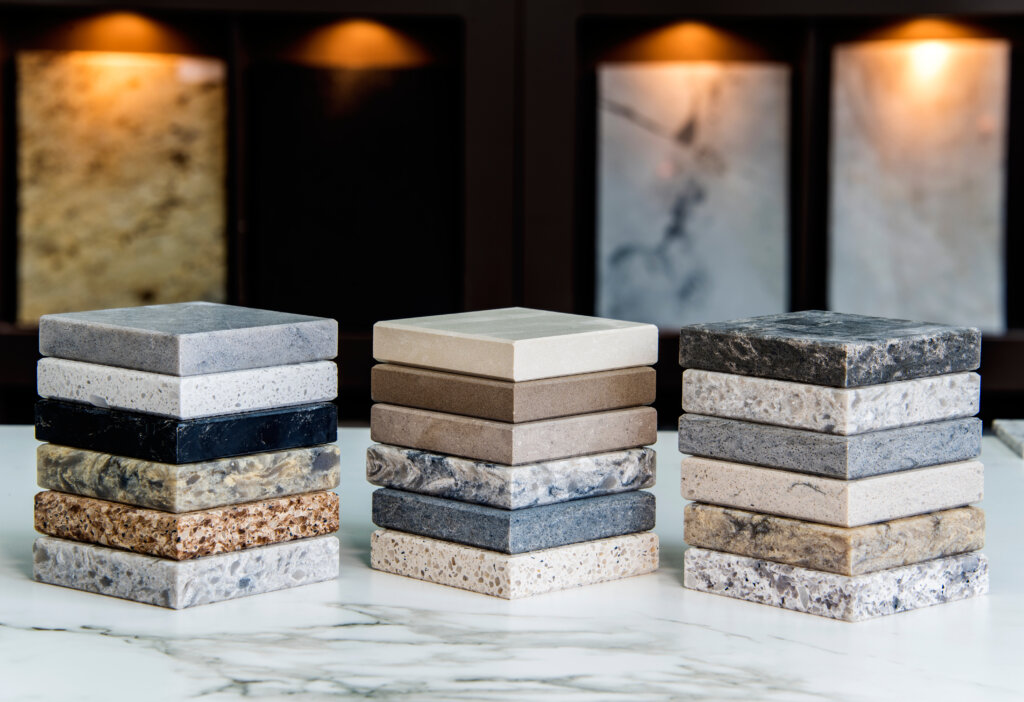
Understanding these grading factors can make your selection process easier. You’ll know what makes one slab different from another and why certain pieces may be better suited for your kitchen, bathroom, or any area where you want natural beauty and long-term durability.
Understanding Movement: How the Pattern Shapes the Look
Movement is one of the first things people notice when viewing quartzite slabs in a showroom. It describes how active, soft, dramatic, or flowing the veining appears across the stone. Some slabs have gentle waves, while others have bold streaks of color running through them. No two pieces look alike.
Here’s how suppliers often view movement when grading quartzite:
1. Soft Movement
These slabs have delicate veining and calm transitions in color. Homeowners in Dallas, Fort Worth, and The Colony often choose soft-movement quartzite because it brings a peaceful, timeless look to kitchens and bathrooms.
2. Medium Movement
These slabs have more noticeable patterns without being overwhelming. Many homeowners in Tulsa, Oklahoma City, and Lowell like this balance because it adds personality while staying visually comfortable.
3. Bold Movement
These slabs show dramatic veining and color variation. Some people enjoy bold slabs for statement islands or feature walls. Others prefer something softer. Movement comes down to personal style, but knowing how it changes the look of your space helps narrow your choices.
Movement doesn’t change the strength of the stone, but it does change your countertop’s visual impact. This is why walking the slab galleries at Verona Marble is so helpful, movement is something you need to see in person to fully appreciate.
Hardness: Why It Matters for Durability
Quartzite is known for being extremely strong, but hardness levels can vary depending on the mineral composition of the slab. Suppliers check hardness carefully because it influences how well the stone handles daily use.
Here’s what homeowners should know:
High-Hardness Quartzite
This is what most people expect from quartzite, very strong, scratch-resistant, and suitable for busy kitchens. Many slabs in Verona Marble’s showrooms across Dallas, Fort Worth, The Colony, Tulsa, Oklahoma City, and Lowell fall into this category.
Medium-Hardness Quartzite
Still durable, but may require more care when fabricators cut the stone. This doesn’t affect your daily use; it simply means professionals need to work with it carefully.
Soft Quartzite (Dolomitic Stone)
Some slabs sold as quartzite are technically dolomite, which is softer. These stones still look beautiful, but they behave differently. Knowing the hardness helps you choose a slab that matches your lifestyle.
Suppliers test hardness using a simple method that evaluates how easily the stone scratches. This helps ensure the slab you choose meets your expectations for durability and long-term use.
Resin Content: What It Means and Why It’s Important
Many quartzite slabs receive resin treatments to fill microfissures, enhance strength, and create a smoother polish. Resin does not make the stone weaker, it helps increase stability and improve the final finish.
However, the amount of resin matters:
Low Resin Content
Indicates a dense, strong natural structure. These slabs are highly durable and polished well.
Medium Resin Content
Still very strong but may have more natural lines or texture that the resin fills. Many homeowners appreciate this because it keeps the natural beauty of the stone while improving performance.
High Resin Content
More common in stones with dramatic movement or natural texture. High resin isn’t bad, but it’s something homeowners should be aware of if they prefer a more uniform look.
When browsing quartzite at Verona Marble locations in Dallas, Fort Worth, The Colony, Tulsa, Oklahoma City, or Lowell, the resin level affects how glossy the slab appears, how smooth the texture feels, and how consistent the pattern looks. Seeing it in person will help you understand what fits your design vision.
Why Grading Matters When Selecting Quartzite
Grading helps suppliers sort slabs by characteristics so homeowners can easily compare options. If you love flowing veins, you might look for a slab with bold movement. If you want something subtle, soft movement will be your guide. Knowing hardness ensures you choose a slab strong enough for heavy cooking habits, and resin content helps ensure the finish meets your expectations.
Since each quartzite slab is unique, visiting a showroom makes the biggest difference. You can see how movement flows from one edge to another, how the colors shift in different lighting, and how the slab looks from different angles.
Verona Marble does not sell fabrication or installation services, but they help homeowners choose the perfect slab. Once you make your selection, your fabricator will purchase the material directly from Verona Marble for installation.
FAQs About Quartzite Grading and Selection
What does “movement” mean when choosing quartzite?
Movement refers to the natural veining and pattern flow across the slab. It can be soft, medium, or bold depending on the stone.
Why does hardness vary between quartzite slabs?
Different minerals within each slab affect hardness. Some quartzite is extremely hard, while others may fall closer to dolomitic stone.
What does resin do in quartzite slabs?
Resin helps fill microfissures, strengthens the stone, and gives the slab a polished, finished look.
Can I see the quartzite slabs in person?
Yes. Verona Marble showrooms in Dallas, Fort Worth, The Colony, Tulsa, Oklahoma City, and Lowell allow homeowners to view full slabs.
Does Verona Marble install quartzite countertops?
No. Verona Marble supplies the slab material. Your fabricator handles fabrication and installation.
If you’re ready to explore quartzite slabs in person, visit Verona Marble in Dallas, Fort Worth, The Colony, Tulsa, Oklahoma City, or Lowell. You can browse full slabs, compare movement and hardness, and pick the quartzite that matches your style. After you choose your slab, your fabricator can purchase it directly from Verona Marble. Call (214) 381-8405 for showroom information.


