


Quartzite countertops bring a natural, high end look to many Dallas homes, but what most homeowners do not realize is how much the layout of their house affects how those slabs get cut and installed. The way rooms flow, where windows sit, and how islands and counters connect all play a major role in slab orientation and cutting strategy. This planning happens long before installation day, and when done right, it makes the finished kitchen or bathroom feel intentional and balanced.
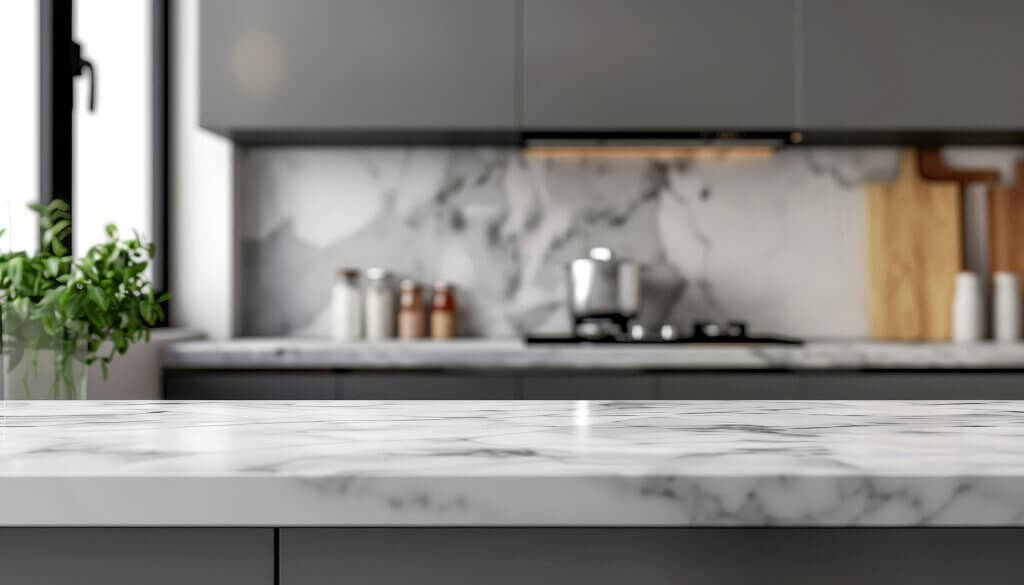
Dallas homes come in many styles, from older ranch layouts to modern open concept designs. Each one creates different challenges and opportunities when working with quartzite slabs. Understanding how your layout influences slab orientation helps you make better choices during the selection process and avoid surprises later.
Why Slab Orientation Matters More Than Most Homeowners Expect
Quartzite slabs are large pieces of natural stone with movement, veining, and color shifts that run in specific directions. Orientation refers to how that movement gets positioned once the slab is cut and installed. This choice affects how the countertop looks across the room, how seams appear, and how the stone interacts with light.
In Dallas homes, orientation matters even more because kitchens tend to be bright, open, and visible from multiple angles. A slab that looks calm in one direction can feel busy if rotated the wrong way. Fabricators plan orientation carefully so the stone complements the layout instead of fighting it.
Open Concept Dallas Homes Create Long Visual Sightlines
Many Dallas homes feature open kitchens that connect directly to living and dining spaces. This design creates long sightlines where countertops become one of the first things people notice when they walk in.
In these layouts:
- Islands stretch across large areas
- Counters remain visible from several rooms
- Veining guides the eye across the space
When slab orientation works with these sightlines, the stone feels calm and natural. When it does not, the quartzite can feel chaotic or distracting.
Fabricators often orient slabs so veining runs lengthwise along islands and main counters. This approach helps movement flow naturally and reduces visual breaks.
Island Size and Shape Drive Cutting Decisions
Large kitchen islands are common in Dallas homes. These islands often serve as prep areas, seating spaces, and visual focal points. Because of their size, they usually require careful slab planning.
Factors that influence cutting strategy include:
- Island length and width
- Waterfall edges
- Seating overhangs
- Sink or cooktop placement
For long islands, fabricators prefer to keep veining consistent across the surface. This may mean cutting the slab so movement runs parallel to the longest edge. If the island includes a waterfall edge, the slab may get oriented to allow the veining to continue down the side for a cohesive look.
Homeowners who understand this process can make better slab choices by selecting stones with movement that works well in multiple directions.
Wall Runs and Corner Layouts Affect Seam Placement
Dallas kitchens often include long wall counters that turn corners or wrap into secondary prep areas. These shapes affect how slabs get cut and where seams must fall.
Fabricators consider:
- Where seams will be least visible
- How veining transitions at corners
- Whether movement aligns across connected sections
If a slab has strong directional movement, the layout may limit how much of that movement can continue across corners. In some cases, fabricators rotate pieces slightly to reduce abrupt pattern changes.
This planning helps avoid situations where veining suddenly changes direction in a way that catches the eye.
Natural Light Influences Orientation Choices
Dallas homes receive strong sunlight for much of the year. Large windows, sliding doors, and skylights can dramatically change how quartzite looks depending on orientation.
Light interacts with quartzite by:
- Highlighting certain minerals
- Increasing contrast in veining
- Changing tone throughout the day
Fabricators often orient slabs so veining runs with the direction of incoming light instead of across it. This choice softens contrast and creates a more even appearance.
Homeowners should consider where sunlight enters the kitchen when selecting slabs. Stones with softer movement tend to perform better in bright Dallas interiors.
Galley and U Shaped Kitchens Require Extra Planning
Not all Dallas homes have open layouts. Some feature galley kitchens or U shaped designs with tighter spaces and shorter runs. These layouts still require careful slab orientation, especially when multiple counters sit close together.
In these kitchens:
- Repeating patterns become more noticeable
- Small variations stand out
- Orientation affects how compact the space feels
Fabricators often choose orientations that minimize busy movement and keep the space feeling open. Slabs with subtle veining work well in these layouts because they do not overwhelm the room.
Backsplashes and Vertical Applications Change Cutting Strategy
Quartzite often extends beyond countertops into full height backsplashes or accent walls. These vertical applications require a different cutting approach than horizontal surfaces.
Key considerations include:
- Vein direction from counter to wall
- Visual continuity
- How patterns align at edges
In Dallas homes with statement kitchens, full height quartzite backsplashes have become popular. Fabricators plan slab orientation so the movement feels intentional both horizontally and vertically.
This often requires selecting slabs with enough visual consistency to work in multiple directions.
Why Small Samples Cannot Show Orientation Challenges
Many homeowners select quartzite based on small samples. These samples do not show how movement behaves across large surfaces or how orientation changes the look.
Small samples hide:
- Vein flow direction
- Pattern repetition
- Mineral clusters
- Tone shifts across the slab
Viewing full slabs allows homeowners to see how orientation choices affect the final look. This step helps prevent disappointment once cutting begins.
How Homeowners Can Support Better Slab Planning
Homeowners play an important role in successful slab orientation, even if they do not handle the cutting themselves.
Helpful steps include:
- Viewing full slabs in person
- Asking how the slab will be oriented
- Discussing island and counter sizes early
- Considering natural light patterns
- Choosing slabs with movement that suits the layout
These conversations help align expectations and reduce surprises during installation.
Why Layout Awareness Leads to Better Results
Quartzite slabs behave differently in different spaces. Dallas home layouts influence how stone should be cut, oriented, and installed to achieve the best look.
When slab orientation supports the layout, the kitchen feels balanced and natural. When it does not, the stone can feel overwhelming or disjointed.
Understanding this process helps homeowners make informed choices and appreciate the planning that happens behind the scenes.
FAQs About Quartzite Slab Orientation in Dallas Homes
Why does slab orientation matter in Dallas kitchens?
Dallas homes often have open layouts and strong natural light, which makes slab orientation more visible.
Does island size affect how quartzite slabs are cut?
Yes. Large islands often require specific orientation to maintain consistent movement and reduce visible seams.
Can veining continue across corners and walls?
It depends on slab movement and layout. Fabricators plan cuts to create the smoothest transitions possible.
Does sunlight change how quartzite orientation looks?
Yes. Sunlight can highlight veins and minerals differently depending on orientation.
Is it important to view full slabs before cutting?
Yes. Full slabs show how movement and orientation will affect large surfaces.
If you want to choose quartzite with confidence and understand how your Dallas home layout affects slab orientation, visit Verona Marble in Dallas, TX to view full slabs in person. Seeing the stone up close helps you and your fabricator plan the best possible layout. Call (214) 381-8405 to schedule your visit.


