


If you have been dreaming of a kitchen or bathroom that marries the ethereal beauty of marble with the “bulletproof” reputation of granite, you have likely encountered Natural Quartzite. At Verona Marble Company (VMC), we have spent over 30 years helping homeowners and designers navigate the vast world of stone, and few materials spark as much excitement and sometimes confusion as quartzite.
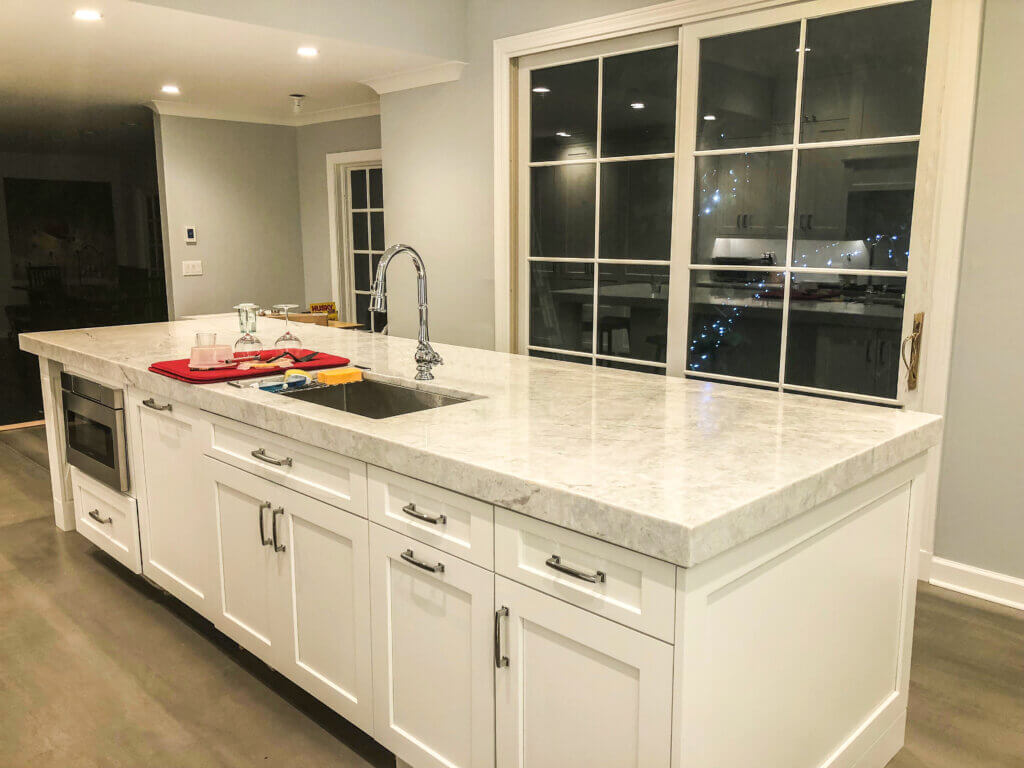
Because quartzite is a natural product of the earth, its colors and patterns are as diverse as the landscapes they are quarried from. Choosing the right slab isn’t just about picking a color; it’s about finding a masterpiece that speaks to your home’s soul.
In this guide, we will break down the most popular quartzite colors and names, explaining why this stone is a premier choice for high-end residential and commercial projects.
What Makes Quartzite Unique?
Before diving into the colors, it is important to understand what you are looking at. Quartzite begins its life as sandstone. Through years of intense heat and tectonic pressure, those sand grains are fused together into a solid metamorphic rock.
Why does this matter for your project?
- Hardness: On the Mohs scale, quartzite is generally harder than granite.
- Heat Resistance: It handles hot pots and pans with grace.
- Aesthetics: It often features the soft, flowing “veining” typically associated with marble, but without the extreme sensitivity to acids (etching).
The Palette of Nature: Quartzite Colors and Names
When you visit a VMC showroom, the sheer variety can be overwhelming. Here is a breakdown of the primary color categories and the specific names you should look for in our inventory.
1. The Timeless Whites and Grays
White quartzite is the “holy grail” of interior design. It offers the clean, bright aesthetic of Carrara or Calacatta marble but stands up much better to the rigors of a busy kitchen.
- White Macaubas: One of the most famous quartzite names. It is characterized by linear, charcoal-colored veins running through a crisp white or off-white background. It is perfect for modern kitchens that want a sense of movement.
- Taj Mahal: Perhaps the most sought-after quartzite in North America. It features a soft, creamy white background with subtle gold and bronze veining. It is the epitome of “warm luxury.”
- Super White: (Note: Often classified as a “hard marble” or “dolomite” by some, but frequently grouped with quartzites). It offers a stunning light gray palette with thick, dramatic darker gray veins.
- Infinity White: A purer, more consistent white that provides a minimalist, high-end feel.
2. The Exotic Blues and Greens
Quartzite is one of the few natural stones that can produce vivid, “electric” colors. These are often used as statement pieces for islands or feature walls.
- Azul Macaubas: A breathtaking stone from Brazil. It is famous for its striking blue hues, ranging from sky blue to deep indigo, often accented with gold or white streaks.
- Sea Pearl: A sophisticated blend of cool grays, greens, and whites. It mimics the look of the ocean floor and pairs beautifully with white cabinetry.
- Emerald Quartzite: A deep, lush green that adds a moody, botanical vibe to a room.
3. Warm Earth Tones and Golds
For those who want their space to feel grounded and organic, earth-toned quartzites provide warmth that gray stones sometimes lack.
- Perla Venata: Very similar to Taj Mahal but often features a slightly lighter, “sandier” appearance. It is incredibly versatile and works well with both wood tones and painted cabinets.
- Cristallo: While technically a translucent stone often used for backlighting, Cristallo frequently features gold and amber “rust” veining that looks stunning in traditional or transitional homes.
4. The Dark and Dramatic
Dark quartzite is a fantastic alternative to black granite, offering more visual depth and intricate patterning.
- Nero Grey / Iron Red: These stones often feature deep charcoal or black bases with dramatic streaks of silver, white, or even rust-red. They are perfect for a “moody” bar area or a masculine primary suite.
Understanding Quartzite “Names”: Why Do They Change?
One common point of confusion for homeowners is the naming convention. You might see a slab at one location called “Sea Pearl” and a very similar slab elsewhere called “Mother of Pearl.”
Because quartzite is quarried globally, different distributors may assign different names to the same geological formation. At Verona Marble Company, we prioritize transparency. Our experts can help you identify stones by their physical characteristics and origin to ensure you are getting exactly what you envision for your project.
Design Applications: Where to Use Quartzite
| Application | Best Quartzite Colors | Why? |
| Kitchen Islands | Taj Mahal, White Macaubas | High visibility allows for showing off dramatic veining. |
| Bathroom Vanities | Sea Pearl, Perla Venata | Resists moisture and adds a spa-like, serene feel. |
| Fireplace Surrounds | Azul Macaubas, Iron Red | Heat resistance and high-impact visual appeal. |
| Commercial Flooring | Gray/Neutral Quartzites | Extreme hardness stands up to heavy foot traffic. |
Quartzite isn’t just for kitchen countertops. Because of its durability and the variety of quartzite colors, it is a versatile workhorse in luxury design.
How to Select Your Slab: A VMC Pro-Tip
When looking at quartzite colors and names with pictures online, remember that digital screens can’t capture the “depth” of the stone. Natural stone is three-dimensional.
- View the Full Slab: Never choose based on a 4-inch sample. The veining that looks subtle in a small piece might be very bold across a 120-inch slab.
- Check the Finish: Quartzite looks vastly different in a Polished finish (shiny and vibrant) versus a Honed or Leathered finish (matte and textured). Leathering can hide fingerprints and water spots effectively.
- Lighting Matters: Bring a sample of your cabinet color and your flooring to our warehouse. The way the light hits the crystals in the quartzite can change the perceived color from “warm” to “cool.”
Caring for Your Quartzite
While quartzite is tough, it is not indestructible. To keep your colors vibrant for decades, follow these simple rules:
- Seal It: Most quartzites are porous to some degree. We recommend a high-quality impregnating sealer upon installation and periodic re-sealing.
- Avoid Harsh Chemicals: Skip the bleach and vinegar. Use a pH-neutral stone cleaner or just mild soap and water.
- Cutting Boards: While quartzite is scratch-resistant, cutting directly on it can dull your knives!
Why Choose Verona Marble Company?
For over three decades, Verona Marble Company (VMC) has been a trusted partner for designers, contractors, and homeowners. We don’t just move stone; we understand the artistry behind it.
- Unmatched Selection: We offer the largest selection of Santamargherita Quartz and Marble-based engineered stone, alongside our hand-selected natural quartzite and granite.
- Expert Guidance: Our team doesn’t just show you a slab; we explain the mineralogy and performance expectations of every stone in our yard.
- End-to-End Service: We guide you from the initial selection through to finding a qualified fabricator to ensure your stone is cut and installed to perfection.
Whether you are looking for the creamy elegance of Taj Mahal or the bold statement of Azul Macaubas, our inventory is curated to meet the highest standards of beauty and durability.
Frequently Asked Questions (FAQs)
1. What are the most popular quartzite colors and names?
Some of the most popular quartzite colors and names include Taj Mahal, Super White, Sea Pearl, Cristallo, White Macaubas, and Fusion Quartzite. These stones are widely chosen for their natural beauty, durability, and ability to match both modern and classic interior designs.
2. Is quartzite better than marble for countertops?
Yes, in most cases quartzite is more durable than marble. Quartzite is much harder, more scratch-resistant, and less prone to etching from acids like lemon juice or vinegar. This makes it a better choice for busy kitchens while still offering a similar elegant look.
3. Do quartzite colors vary from slab to slab?
Yes. Quartzite is a natural stone, so no two slabs are exactly the same. Even within the same quartzite name, you may notice variations in color, veining, and pattern. This is why it’s important to view slabs in person before making a final selection.
4. Does quartzite require sealing or maintenance?
Most quartzite slabs require periodic sealing to help protect the surface from stains. However, compared to marble, quartzite is very low maintenance. Regular cleaning with mild soap and water is usually enough for everyday care.
5. Where can I buy high-quality quartzite slabs?
You can explore a wide selection of premium quartzite slabs at Verona Marble Company, a trusted importer and distributor of natural and engineered stone. For assistance or availability, you can call (214) 381-8405 to speak with a stone specialist.
Start Your Project Today
Quartzite is one of the most beautiful and durable natural stones available today, and understanding quartzite colors and names makes the selection process much easier.
From soft and subtle tones like Taj Mahal to bold and dramatic choices like Fusion or Cristallo, there’s a quartzite style for every design vision.
If you’re planning your next project, take time to explore slabs in person and compare colors under real lighting conditions. The right quartzite can completely transform your space into something timeless, elegant, and highly functional.
For expert guidance and premium stone selection, contact Verona Marble Company at (214) 381-8405 where quality and craftsmanship meet natural beauty.


